"From Color Choices to Post-Job Clean-Up: What You Can Expect From Your Painting Services"
When utilizing skilled painting professionals, clients can anticipate a well-organized process that starts with choosing the right colors. This selection is vital for creating a balanced atmosphere. The preparation phase follows, laying the groundwork for a satisfying finish. Learning about the techniques and processes applied can enhance expectations. Still, there is more to the experience. What occurs on the day of painting, and how does the area change once complete? Examining these elements uncovers the genuine benefits of expert painting services.
Color Selection: Tips for a Harmonious Environment
When picking colors for a painting job, homeowners need to reflect on how various shades work together within a space. The color decision not only influences the visual appeal but also influences the mood and perception of size within a room. Pale tones can generate a feeling of expansiveness, causing confined rooms to seem more generous, while darker tones can bring warmth and a sense of seclusion.
Homeowners must also consider the light levels in every room, as both natural and artificial lighting can alter the appearance of colors throughout the day. Matching colors with current furnishings and decor is crucial for creating a harmonious aesthetic. Additionally, considering the flow between adjacent spaces ensures consistency throughout the home. Testing color samples on the walls can provide insight into how the picked shades will look in various lighting scenarios. At the end of the day, deliberate color selection greatly impacts the general atmosphere of the home.
Preparing Your Home for Successful Painting
Getting a home for painting requires meticulous preparation. Clearing out furniture and adequately covering surfaces are critical steps to guarantee a seamless experience and optimal results. By implementing these measures, homeowners can develop a more productive painting setting.
Get Rid of Furniture
Clearing out furniture is essential for a successful painting project. It allows painters to reach every surface without hindrance, guaranteeing an uniform application of paint. By taking out items such as sofas, tables, and cabinets, homeowners can avoid unintended damage to their belongings while increasing the productivity of the painting process. Additionally, emptying the space creates a more organized environment, helping the painters to work with less interference. It is suggested to place furniture in a separate room or storage area, while also considering the removal of artwork and ceiling fixtures. This preliminary step not only preserves the furniture but also promotes a more streamlined workflow, leading to a professional outcome and a faster turnaround time for the painting project.
Preserve Surfaces the Right Way
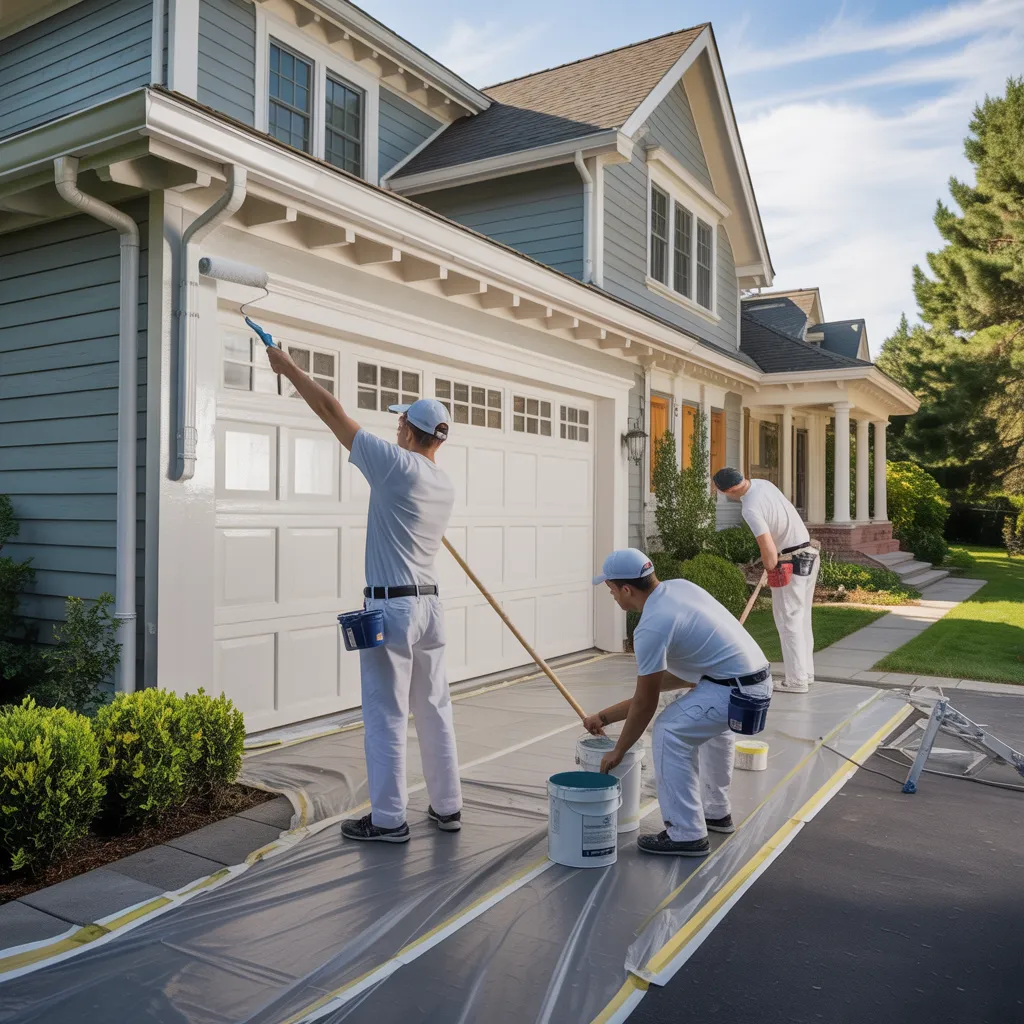
To guarantee a smooth painting job, safeguarding surfaces is fundamental. Skilled painting professionals usually start by assessing the site to determine which surfaces need to be shielded, such as floors, furniture, and fittings. They frequently utilize drop cloths or protective sheeting to cover flooring and furniture, preventing paint splatters and drips. Furthermore, painters will tape edges and moldings to ensure precise lines and reduce the chance of unintended overspray. Special care is taken with fragile items or zones that demand greater caution. By implementing these safeguarding steps, expert painters develop a suitable workspace for the project, making certain the final outcome satisfies the homeowner's standards while upholding the quality of the property's existing surfaces.
Why Surface Preparation Is Essential for a Flawless Finish
Though many tend to overlook the value of surface preparation, it plays a fundamental role in achieving a flawless finish in painting endeavors. Thorough preparation encompasses cleaning, sanding, and repairing surfaces to confirm they are even and without flaws. This significant step allows paint to bond more effectively, decreasing the risk of flaking or chipping as time passes.
Inadequate preparation can lead to inconsistent surfaces that diminish the visual appeal of the final result. Contaminants such as dust, grease, or old paint can act as barriers that keep new paint from adhering effectively, producing a poor visual outcome. Additionally, spotting and correcting any underlying issues, such as mold or structural damage, is vital for guaranteeing long-term durability.
At the end of the day, putting time and effort into surface preparation lays the foundation for a truly professional finish. By focusing on this essential step, clients are rewarded with an attractive, durable finish that improves their space and showcases skilled workmanship.
Which Painting Approaches Will Be Employed?
When considering paint application methods, several techniques can greatly influence the final outcome. The decision between brush and roller techniques, as well as the use of spray painting techniques, is a key factor in obtaining the results you want. Additionally, distinctive finishing options can elevate the overall look, making understanding these options vital for informed decisions.
Brush and Roller Application Methods
Selecting between the brush and roller techniques can significantly affect the result of a painting project. Brushes excel at detailed work, such as edges and corners, providing precision and control. They also are highly effective in covering uneven surfaces, ensuring that every crevice is covered. However, rollers are better suited for expansive areas due to their efficiency and speed. They can rapidly coat wide surfaces, delivering a smooth result with fewer visible brush strokes. The decision between these tools often is determined by the specific requirements of the project, including the type of surface, desired finish, and the experience of the painter. At the end of the day, both methods are vital to achieving a polished and professional result.
Spraying Techniques Explained
Spraying techniques offer a distinct way of applying paint, especially suited for expansive surfaces and detailed work. This technique employs dedicated equipment that breaks down paint into fine particles, enabling a uniform and consistent finish. Commonly used in both residential and commercial settings, spraying can considerably reduce application time compared to conventional techniques. Techniques such as airless spraying and HVLP systems are widely favored options, each offering distinct benefits. Airless sprayers provide high pressure for thicker coatings, while HVLP systems reduce unwanted overspray, rendering them suitable for intricate applications. Understanding these techniques helps clients appreciate the efficiency and quality of results achieved, confirming their painting work fulfills expectations.
Overview of Special Finishes
Specialty finishes enhance the visual appeal of a paint project, delivering exceptional textures and striking visual effects. Approaches such as faux finishes imitate the look of organic materials, such as marble or wood, bringing depth and elegance. Metallic finishes provide a reflective quality, enhancing light and creating a modern feel. Distressed finishes, often used in rustic settings, impart a vintage charm by replicating the effects of age and use. Moreover, textured finishes can generate tactile surfaces that attract the eye and welcome interaction. Every unique finish demands expert application to attain the intended appearance, guaranteeing that the completed outcome matches the homeowner's expectations. Familiarity with these methods enables clients to make well-informed decisions that significantly improve their spaces.
What to Anticipate on Painting Day
What occurs on painting day can significantly impact the complete experience for home owners. When they arrive, the painting team typically carries out a walkthrough to review details and answer any remaining questions. Homeowners can count on the team to prepare the space, which entails repositioning furniture, laying down protective coverings, and taping edges to guarantee precise lines.
Once preparations are complete, the actual painting gets underway. Experienced painting teams usually commence at ceilings, followed by trim and walls. Homeowners may notice the team proceeding systematically, using specific techniques to achieve the intended result. Ongoing communication is essential; painters regularly keep homeowners informed on progress and any unexpected issues that may arise.
During the day, residents might encounter certain noise levels and paint fumes, making it advisable to maintain distance from the work area. Ultimately, a carefully structured painting day sets the stage for a successful transformation of the living space.
What Does Post-Painting Clean-Up Include?
When the last layer of paint has set, the after-painting cleaning process commences, guaranteeing that the room is left neat and ready for use. Professional painters usually incorporate several essential steps in this part of the process. Initially, painting professionals will carefully take away protective materials from floors and furniture, making sure that no traces of tape or fabric remain. Subsequently, they will address any paint spills or drips, using appropriate solvents to bring surfaces back to their prior condition.
Additionally, all painting tools, brushes, and containers are cleaned and packed away, minimizing mess. The team will also conduct a thorough inspection of the area to make certain that every detail has been attended to. Lastly, the disposal of waste is managed carefully, with remaining paint and materials disposed of in line with local guidelines. This extensive clean-up not only enhances the visual appeal of the newly painted space but also demonstrates the professionalism of the painting service.
Last Steps: Securing Your Satisfaction
Now that the clean-up has been completed, the attention turns to the final touches that ensure client satisfaction. This phase includes a meticulous inspection of the painting work, confirming uniform coverage and steady color tone throughout. Painters carefully check for any overlooked areas or flaws, addressing these swiftly to view details preserve the overall quality.
Interaction is crucial throughout this stage; painters frequently connect with clients to confirm their expectations have been met. Homeowners are welcome to raise any issues or seek changes, promoting a team-oriented atmosphere.
Alongside physical assessments, the painting professionals may use touch-ups or protective coatings as necessary, providing lasting performance. Once all elements are satisfactory, painters usually supply maintenance guidance, helping customers to maintain their refreshed space effectively.
In the end, these final touches cement the client's complete experience, transforming an ordinary service into a partnership rooted in satisfaction and quality.
Questions Our Customers Often Ask
How Long Will the Paint Last After the Job Is Completed?
Typically, paint lasts anywhere from five to ten years, subject to factors like surface preparation, paint quality, and environmental conditions. Regular maintenance and proper application can considerably prolong its life, guaranteeing a durable result.
Are Eco-Friendly Paint Options Available for My Project?
Eco-friendly paint options are widely available for various projects. Such paints generally feature reduced levels of volatile organic compounds (VOCs), rendering them more beneficial for the environment and the quality of indoor air, while still providing excellent coverage and durability.
What Occurs if I Reconsider My Color Selection?
When a client decides to change their color choices, the painting contractor generally addresses the request, frequently necessitating a conversation regarding possible delays and extra expenses. Open communication ensures a positive result for everyone involved.
Is It Possible to Remain in My Home During Painting?
Yes, homeowners can continue living in their homes during painting work, even though it may cause some inconvenience. Protective measures and ventilation can help reduce disruption, however some rooms may be inaccessible or need temporary relocation for safety purposes.
How Do You Handle Furniture and Belongings During the Painting Process?
During the painting process, professionals generally relocate or protect furnishings and personal items with protective materials. This guarantees that belongings stay protected while permitting the painters to work in all spaces effectively and carefully, elevating the standard of the finished work.